
From Ignored to Debated: Toronto’s Female Rappers & Media Attention
From Being Ignored to Being Debated: Revisiting Toronto’s Conversation on Female Rappers and Media Attention
Three years ago, a familiar frustration echoed through Toronto hip-hop conversations: female rappers were not being supported at the same level as their male counterparts. Blogs, podcasts, and platforms were often accused of overlooking women’s work in favor of controversy, personalities, or artists already benefiting from industry momentum.
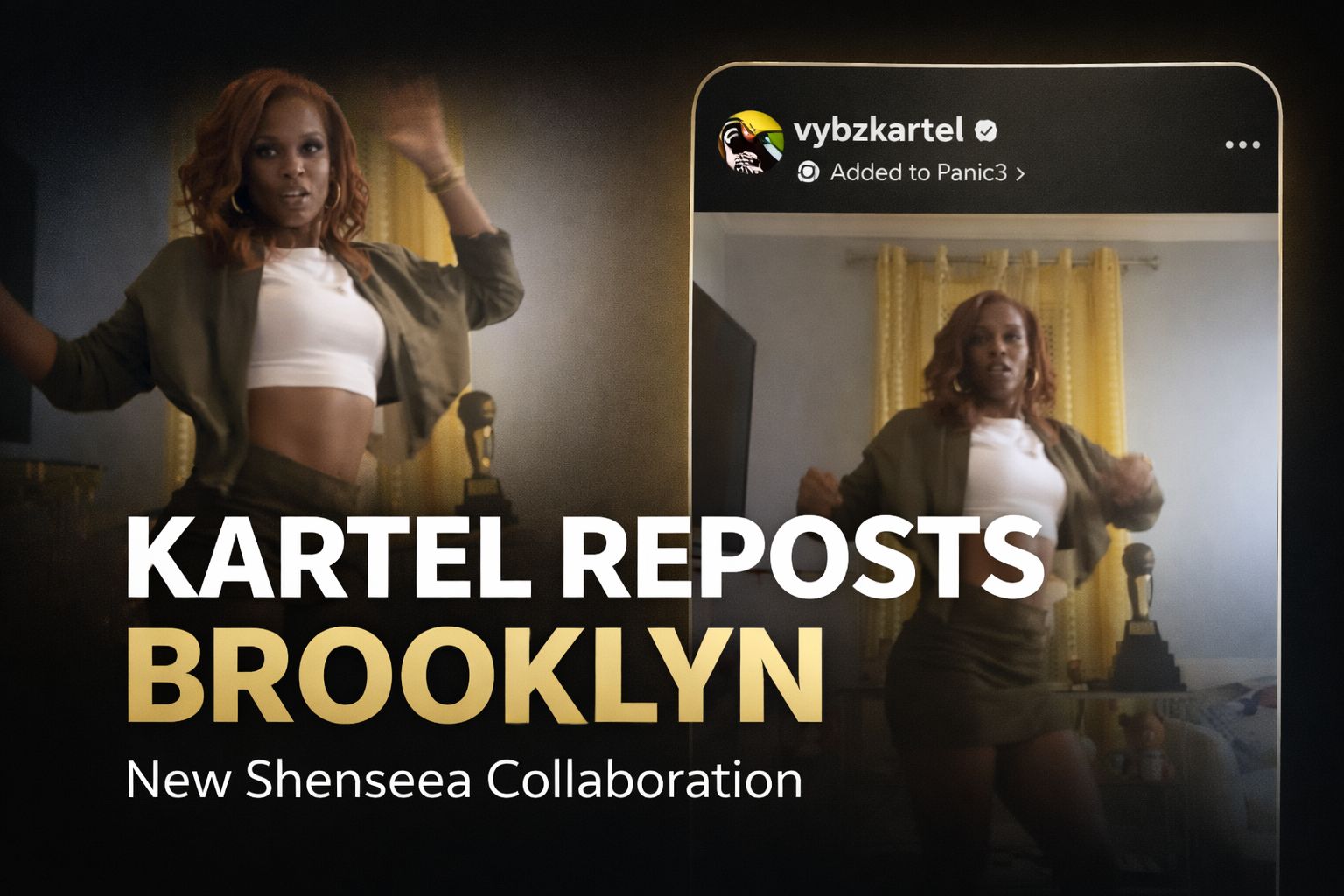
At the time, Brooklyn, a long-standing Toronto host and cultural commentator, spoke openly about that imbalance. Her perspective wasn’t rooted in bitterness, but in proximity — she was embedded in the scene, watching talented women struggle for consistent opportunities while narratives were shaped elsewhere.
Fast-forward to today, and the conversation has shifted — not disappeared, but evolved.
When Visibility Finally Comes — and the Questions That Follow
Recent moments in Toronto hip-hop have placed a female rapper at the center of attention, sparking debate not about whether women are being covered, but how that coverage functions — and who ultimately benefits from it.
Some observers argue that blogs and content creators gain the most from these moments, while artists are left navigating the aftermath. It’s a critique that deserves space, especially in a digital era where engagement often moves faster than careers.
But that critique also reveals something deeper: the problem has never been visibility alone.
Coverage Has Always Been Part of Hip-Hop — Control Has Not
Hip-hop culture has long included competition, conflict, and commentary. From early battle rap circuits to mixtape rivalries, moments of tension have historically driven attention. Media didn’t create those moments — it documented them.
The real shift came with social media acceleration. What once unfolded over months now happens in hours. Reactions stack on top of reactions, and narratives harden before artists have time to redirect the spotlight.
In that environment, coverage is inevitable. What isn’t guaranteed is what artists do with it.
Visibility vs. Momentum
One of the most consistent themes in Brooklyn’s earlier commentary was that female artists were often judged by optics, numbers, or politics rather than craft and opportunity. That hasn’t disappeared — it has simply changed form.
Today, the spotlight arrives faster, but it doesn’t stay longer.
Media attention can amplify a moment, but it can’t turn that moment into:
-
sustainable growth
-
stronger catalog engagement
-
touring leverage
-
or long-term industry positioning
Those outcomes still depend on decisions made after the conversation moves on.
ALSO CHECK OUT GOLDE LONDON VS 100 WATTS & BLOGS
A Shared Responsibility
If Toronto’s current debate reveals anything, it’s that responsibility is shared:
-
Artists decide whether attention becomes momentum or noise
-
Audiences decide what they reward with clicks and discussion
-
Media platforms decide how responsibly moments are framed
Ignoring cultural moments doesn’t protect the scene. But neither does amplifying them without context.
The Conversation Didn’t Change — It Matured
Seen through a wider lens, today’s discussions are not a contradiction of past concerns — they are evidence of progression. The question is no longer “Why aren’t women being seen?” but “What happens when they are?”
That distinction matters.
As Toronto hip-hop continues to evolve, so must the conversations around it — not just about who gets attention, but what that attention ultimately builds.
This reflection precedes upcoming commentary from Brooklyn, offering historical context to a conversation she has been part of for years.
Share this content:








Post Comment