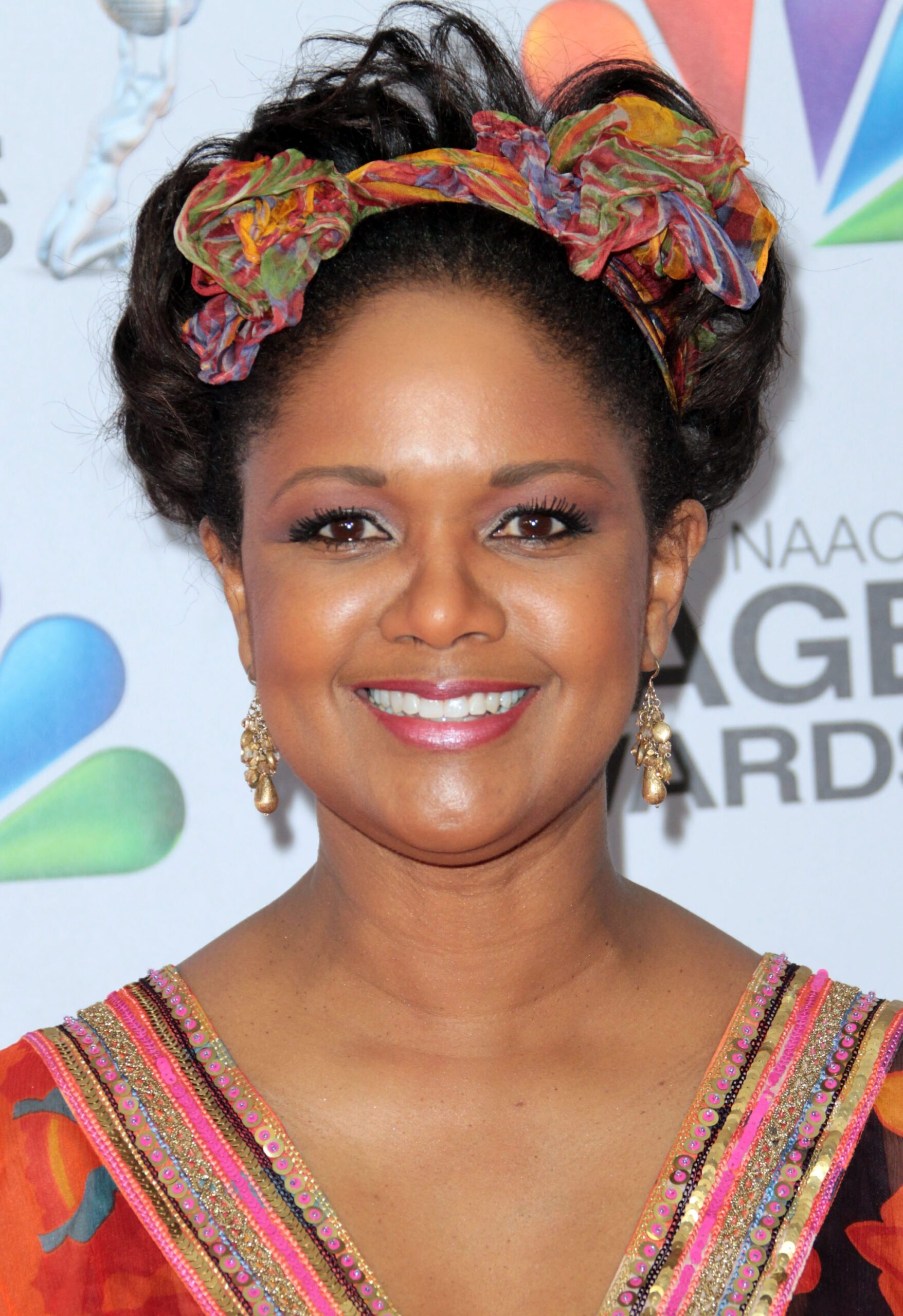
Tonya Williams on ReelWorld, Representation & Canada’s Film Industry
How One TV Show Changed Tonya Williams’ Life — And Sparked a Movement in Canadian Film
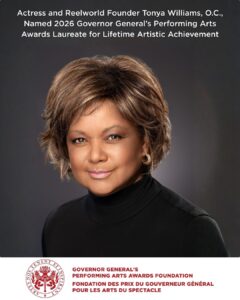
For Tonya Williams, the inspiration behind founding the ReelWorld Film Festival didn’t begin in a boardroom. It began in childhood.
The Canadian actress and founder of Toronto’s ReelWorld Film Festival traces her motivation back to a time when she rarely saw herself reflected positively on screen.
“I remember as a little girl how embarrassed I would sometimes feel,” Williams recalls. Growing up in environments where she was often the only Black student, the images she saw in film and television shaped how others perceived her — and how she perceived herself.
She remembers watching portrayals that reduced Black characters to stereotypes. But everything changed in 1968.
View this post on Instagram
The Power of “Julia” and Diahann Carroll
When Williams saw Julia, the groundbreaking television series starring Diahann Carroll, something shifted.
“I had never seen anyone reflected with such grace and elegance and intelligence,” she says. “I just remember the impact it made — the power of image and the power that screens have.”
It wasn’t a moment that made her immediately want to enter the entertainment industry. Instead, it showed her how powerful representation could be. Screens — whether television, film, or even phones today — are tools that shape identity and perception.
That realization would later influence the direction of her life’s work.
From Actress to Industry Builder
Williams initially pursued classical music, playing piano and violin. Acting entered her life almost by accident after a casting director approached her as a teenager.
After studying drama at Ryerson University — where she was again the only Black student in her class — she began working professionally in Canada. But opportunities were limited.
She recalls being told she was “lucky” because she booked every role available to her — even though the volume of roles was small.
“If I’m booking everything and still barely working,” she realized, “it’s time to cross the border.”
Williams moved to Los Angeles and found success in the U.S. industry. However, returning home to Toronto presented a troubling pattern.
Young Canadian creatives weren’t asking how to build careers in Canada — they only wanted to know how to leave.
Stopping the Talent Drain
That pattern led to the creation of the ReelWorld Film Festival in 2001.
Williams founded ReelWorld to address what she saw as a significant “talent drain” of Canadian BIPOC creators heading south due to lack of infrastructure and support at home.
Her mission was clear:
-
Promote Canadian Black, Indigenous, and People of Color (BIPOC) filmmakers
-
Build a sustainable ecosystem within Canada
-
Strengthen behind-the-scenes infrastructure
ReelWorld has since evolved into a major cultural institution and now programs exclusively Canadian BIPOC films.
Canada vs. The U.S.: A Business Gap
Williams offers a direct critique of the Canadian entertainment industry.
In the U.S., entertainment is treated as a serious business. Projects are backed by strong marketing teams, distribution infrastructure, agents, managers, and publicists.
In Canada, she argues, that system is often underdeveloped.
“A great product needs an entire team dedicated to marketing and distribution,” she explains.
Her call to action goes beyond actors and directors. She urges BIPOC communities to pursue:
-
Distribution
-
Management
-
Agent representation
-
Casting direction
-
Marketing
-
Industry executive roles
For Williams, film and television are not just art forms — they are economic engines.
Advice to the Next Generation
Williams’ message to aspiring creators is rooted in patience.
“The industry is a long walk, not a sprint.”
Rather than obsessing over funding first, she encourages filmmakers to focus on crafting powerful stories.
“Someone will find a great story.”
It’s advice grounded in lived experience — from a childhood shaped by limited representation to becoming an actress, then an industry architect creating opportunities for others.
The Legacy of Image
What began as a 10-year-old girl watching Julia has evolved into decades of impact.
Tonya Williams’ journey underscores one central truth:
Representation is not cosmetic.
It shapes confidence, identity, and economic opportunity.
And through ReelWorld, she continues to ensure that future generations see themselves — not as stereotypes, but as fully realized storytellers.
Share this content:








Post Comment