Sesame Street, PBS, and the End of a Public TV Era | WWETV
Sesame Street and PBS: The End of a Public Television Era—and Why It Matters Now
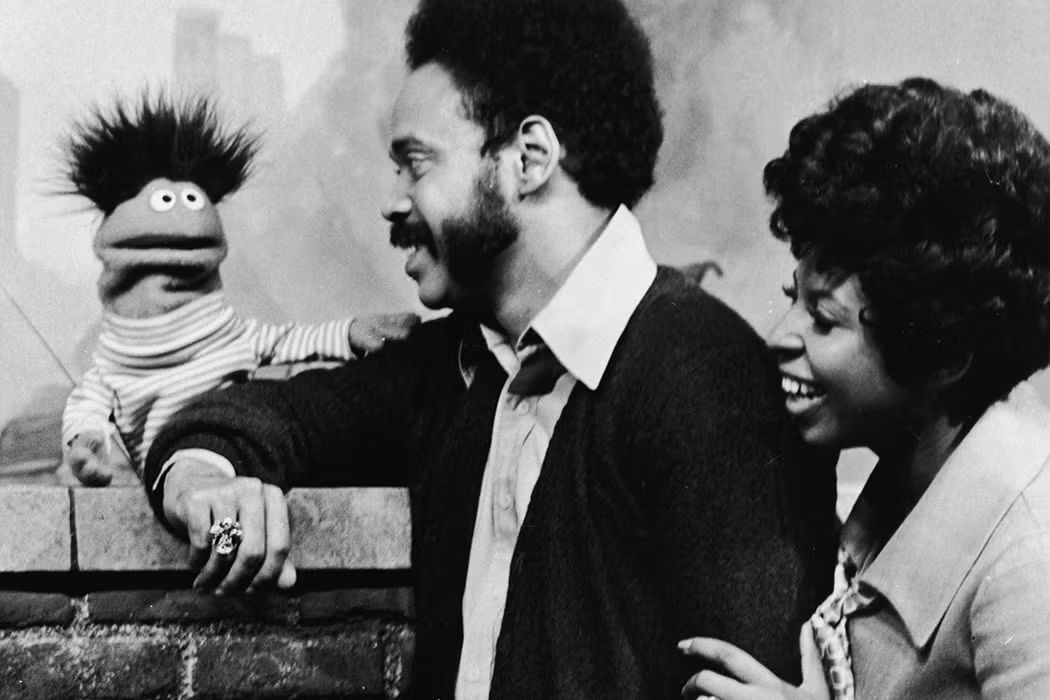
For more than 50 years, Sesame Street has stood as one of the most important educational programs in television history. Built during the height of the Civil Rights Movement, the series was created with a specific mission: to serve low-income, urban children—particularly African American kids—who were being left behind by the U.S. education system.
Today, as the show’s presence on PBS continues to shrink and first-run episodes live behind streaming paywalls, many are asking whether Sesame Street is quietly coming to an end. The answer is more complex—and more revealing—than a simple cancellation.
A Show Created for Black Children, Not as an Afterthought
When Sesame Street premiered in 1969, its purpose was explicit. Research-backed and socially driven, the show was designed to close early learning gaps affecting Black children in America’s inner cities.
Unlike most children’s programming of the era, Sesame Street:
-
Took place on a realistic urban block
-
Featured Black adults as authority figures
-
Reflected everyday life in working-class communities
-
Used television to teach literacy and numeracy before kindergarten
This approach was radical. Sesame Street treated Black children as the primary audience—worthy of investment, intelligence, and care—at a time when most mainstream media excluded them entirely.
PBS and the Promise of Free Access
PBS provided the infrastructure that allowed Sesame Street to reach the families it was built for. As a public broadcaster, PBS ensured:
-
Free, over-the-air access
-
No reliance on advertisers
-
Educational priorities over profit
-
National reach into low-income households
For decades, this partnership symbolized a social contract: education should not depend on income.
What Changed: Funding Cuts and the Streaming Shift
Sesame Street is not ending production. New episodes are still created by Sesame Workshop. What has ended is the fully public model that once defined the show.
Key reasons include:
1. Chronic Underfunding of Public Broadcasting
PBS has faced decades of political pressure and reduced funding, limiting its ability to sustain flagship programming.
2. The HBO Max Deal
Beginning in 2016, new Sesame Street episodes premiered first on HBO Max, with PBS airing them months later. While the deal kept the show financially viable, it placed first access behind a paywall—out of reach for many families.
3. A Media Landscape Driven by Profit
Modern children’s media prioritizes subscriptions, algorithms, and global branding over community-based public service. Educational equity no longer drives distribution decisions.
4. THE NETFLIX ERA
Netflix is streaming a new, reimagined season of Sesame Street that premiered on November 10, 2025 — Season 56 with fan-favorite characters and updated format.
Why This Moment Feels Like an Ending
View this post on Instagram
The communities Sesame Street was created to serve—low-income Black and Brown families—are the same ones most affected by:
-
Rising costs of living
-
Digital access barriers
-
Post-pandemic learning gaps
As free access diminishes, Sesame Street’s shift feels less like evolution and more like a retreat from its original audience.
The Bigger Question
Sesame Street’s legacy is secure. Its future, however, reflects a larger issue: the erosion of public investment in children, education, and equity.
This is not just the story of a TV show. It’s a story about what happens when public goods are slowly privatized—and who gets left behind when they are.
Share this content:






Post Comment