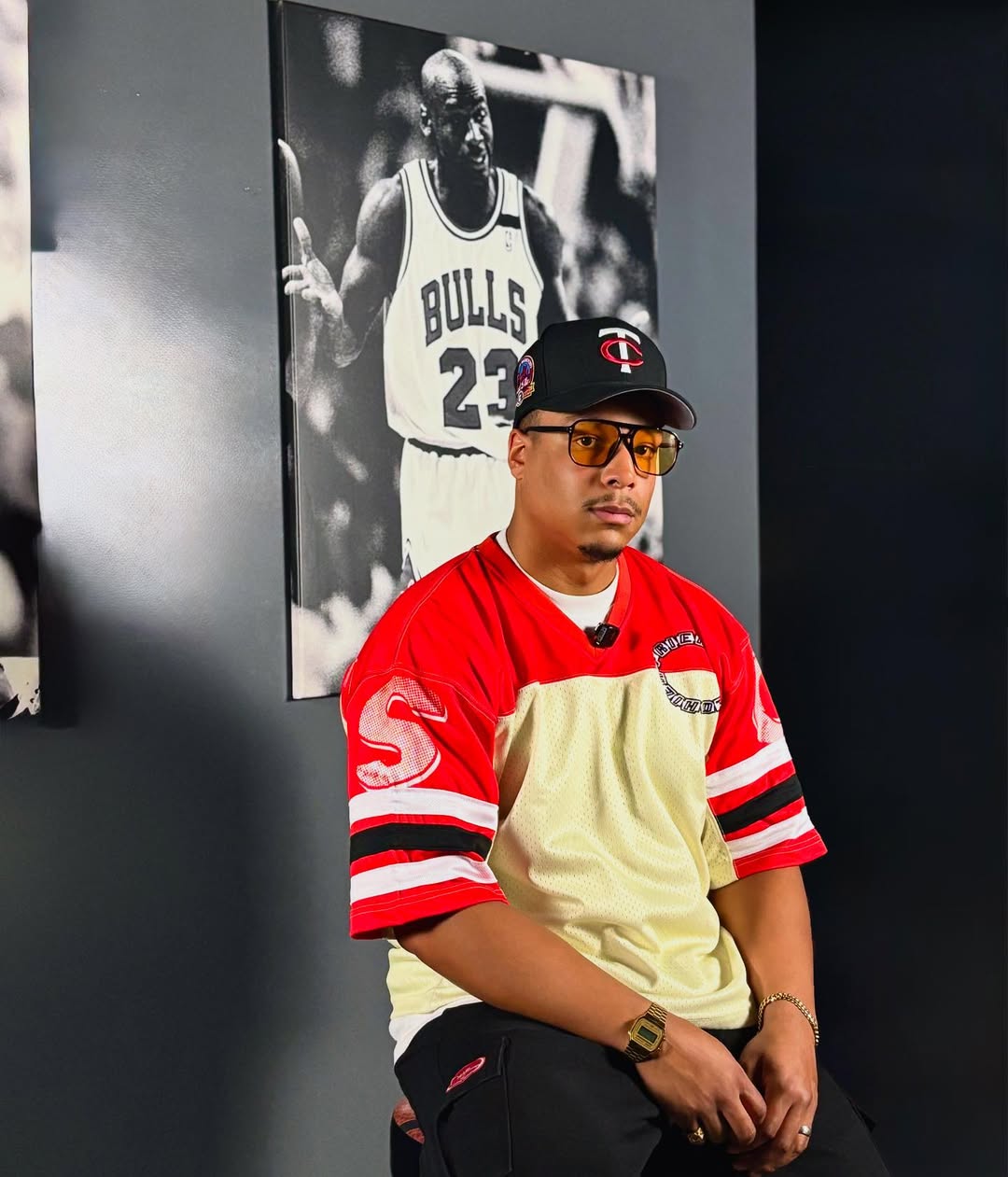
Has Hip Hop Lost Authenticity After 2010? Lee Speaks
Is Hip Hop Fake Now? Independent Rapper Lee Says Authenticity Declined After 2010
Has hip hop lost its authenticity?
That’s the question independent rapper Lee tackled during his recent interview on WorldWide Entertainment TV Network — and his answer was clear: something shifted after 2010.
The Columbus, Ohio native, now based in Charlotte, North Carolina, believes hip hop’s roots were built on raw storytelling and lived experience. But over time, he says, the culture began drifting toward clout-driven narratives rather than real-life truth.
“Hip hop originated the most authentic,” Lee explained. “After 2010, I started seeing more inauthenticity.”
From Freestyle Moment to Focused Mission
Lee’s turning point came in 2020 during a basement freestyle session with friends. What started as a casual moment quickly became confirmation that his talent stood apart. The reaction in the room was undeniable.
That moment pushed him to take music seriously — and more importantly, to take it honestly.
Unlike many artists chasing trends, Lee made a conscious decision to focus on lyricism over melody and authenticity over performance.
“I tried auto-tune. I tried melodies. It never worked for me,” he said. “I’m more raw. Less is more.”
That rejection of trend-driven sound became a defining characteristic of his style.
Authenticity vs. Algorithm
Lee isn’t anti-modern rap. He simply believes intention matters.
He argues that early hip hop — from the late 70s through the golden era — was grounded in lived reality. Even gangster rap, controversial as it was, reflected real experiences.
But in his view, a shift occurred when some artists began crafting personas for engagement rather than expression.
“If you go out and do something just so you can rap about it, that’s different,” he said. “That’s not the same motivation.”
Instead of fabricating stories, Lee now focuses on where he is in life today: fatherhood, marriage, investing, responsibility.
His latest EP, Madura Blend, reflects that evolution.
“It’s not common to hear about buying houses or working a job in hip hop,” he noted. “But that’s real.”
Impact Over Numbers
View this post on Instagram
For Lee, success isn’t defined by streams or social media metrics.
It’s defined by impact.
“If someone listens to my music and decides to open an investment portfolio — that’s success,” he said. “If someone becomes a better father because of something I said, that’s success.”
That philosophy became the central theme of the conversation: impact over numbers.
In an era dominated by algorithms, Lee believes real hip hop still has room to breathe — but artists must choose intention over imitation.
Has Hip Hop Really Changed?
The question isn’t whether talent exists today. It does.
The real debate is whether the culture prioritizes authenticity the way it once did.
Some argue hip hop hasn’t declined — it has simply evolved. Others agree with Lee’s perspective that after 2010, authenticity became less central to mainstream rap.
What’s undeniable is that conversations like this show audiences still care deeply about the direction of hip hop culture.
And perhaps that alone suggests authenticity isn’t gone — it’s just being debated more openly.
Watch the full interview on WorldWide Entertainment TV Network and join the conversation.
Has hip hop lost authenticity after 2010? Or is it simply evolving?
Share this content:







Post Comment