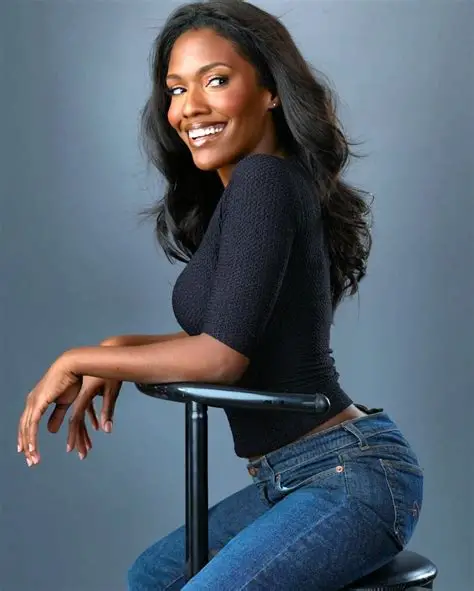
Bella Maori Speaks on Colorism in Hollywood & Its Psychological Impact
Bella Maori Opens Up About Colorism in Hollywood and the Psychological Impact on Dark-Skinned Actresses
Actress and model Bella Maori is speaking candidly about her experiences navigating Hollywood as a darker-skinned Black woman — and the emotional toll that colorism can take behind the scenes.
In a recent interview with WorldWide Entertainment TV, Maori reflected on how limited opportunities and biased treatment on certain sets shaped both her identity and creative direction.
“The Opportunities Aren’t Always There”
Bella explained that many of her creative projects were inspired directly by her lived experiences in the entertainment industry.
“I think it is really inspired by my own experiences as an actress in Hollywood and being a darker skin tone actress. And the opportunities aren’t always there.”
According to Maori, she often noticed a difference in how roles were distributed.
She described how lighter-skinned or “ethnically ambiguous” actresses frequently received larger opportunities, while darker-skinned actresses were left navigating more limited roles and visibility.
The Psychological Impact of Colorism
Beyond career limitations, Bella discussed the deeper emotional effects.
“It would really make me question my identity and feel bad about myself and feel ugly. It’s an icky feeling.”
Her honesty sheds light on a broader issue within the entertainment industry — one that extends beyond casting decisions and into psychological harm.
Colorism, a form of discrimination based on skin tone within the same racial or ethnic group, has long been a topic of discussion in Hollywood. But conversations like this bring it into sharper focus.
Maori emphasized that the internal impact can be just as damaging as professional setbacks.
“I just decided to write a story about it so that I can put it out there and see if other girls were going through the same thing — and to open up a new conversation about colorism and how it affects the psyche.”
Turning Pain Into Purpose
Rather than allowing those experiences to define her negatively, Bella chose to channel them into storytelling.
By writing and speaking publicly about colorism, she hopes to create space for dialogue and healing — particularly for young Black women who may be navigating similar challenges in media, modeling, and acting.
The conversation also reflects a growing shift in the entertainment industry, where more artists and performers are speaking openly about representation, bias, and systemic disparities.
A Larger Conversation in Hollywood
The discussion surrounding colorism intersects with ongoing debates about:
-
Representation in film and television
-
Casting bias
-
Male-dominated decision-making in Hollywood
-
The psychological effects of beauty standards
Bella Maori’s testimony adds a personal and experiential layer to that broader cultural dialogue.
As Hollywood continues to confront issues of diversity and inclusion, stories like hers highlight that representation is not only about visibility — it is also about fairness, opportunity, and mental well-being.
Share this content:








Post Comment