Why Churches Are the Best Option for a Music Concert
Music has its most profound expression in spaces that carry meaning beyond the performance itself. From the earliest choral traditions to modern acoustic sets, the power of music depends on melody and message, but also on the location. The right venue can elevate an event from a simple performance into a transformative encounter; one that touches hearts, stirs emotions, and connects people in deep and lasting ways.
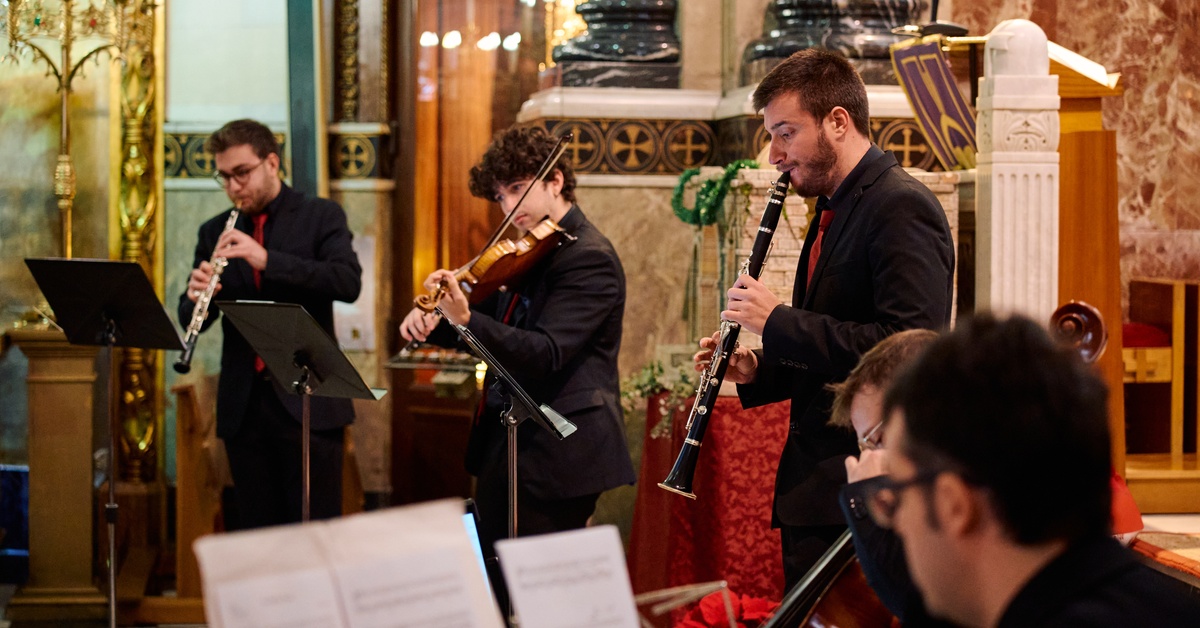
Churches provide unmatched acoustics due to their architectural design, built long before the invention of microphones or soundboards. Musicians and vocalists find that their art carries naturally through the open arches, vaulted ceilings, and reflective surfaces that define these buildings. Whether it’s a solo violin, a full choir, or a contemporary acoustic trio, the sound has space to breathe, rise, and resonate with crystal clarity.
The architectural majesty, the spiritual reverence, and the welcoming nature of these spaces offer a multi-dimensional experience for performers and listeners. Learning why churches are the best option for a music concert will help you transform ordinary evenings into memorable celebrations of art, community, and connection. Choosing a church as a concert venue is a statement of intention, a way to honor music and its impact.
Architectural Grandeur That Elevates Performance
Gothic arches and high vaulted ceilings amplify sound with rich tonal depth and natural reverb. Stone walls and wooden pews create an acoustical tapestry that surrounds each note with clarity. Musicians often feel inspired to deliver more passionate and heartfelt performances in such impressive spaces.
Unlike sterile halls or black-box venues, churches exude character through intricate design and craftsmanship. Each space tells a story that supports the emotional journey of music. Audiences feel swept away not only by the sound but also by the setting’s atmosphere.
Exceptional Natural Acoustics
Churches have designs with sound in mind long before microphones existed. Their design supports clear vocal projection and instrumental balance without artificial amplification. Performers often find their music carrying across the sanctuary effortlessly, wrapping every listener in its warmth.
Sound engineers appreciate churches because they require minimal adjustment to achieve optimal results. Unlike square rooms or flat surfaces, curved ceilings and textured walls prevent echoes from distorting the performance. The natural resonance enhances both classical and contemporary music styles.
A Deep Sense of Community
Churches foster emotional connection and shared presence in ways other venues rarely manage. Community members often know one another, so events feel like intimate celebrations. The collective experience of music feels more unified when held within familiar and sacred walls.
When people attend a concert in a church, they often arrive with openness and respect. These values transform the audience into active listeners rather than passive attendees. The music feels more profound because of this silent agreement between artist and audience.
Affordable Yet Elegant Venue Choice
Renting a church often costs far less than using concert halls or commercial theaters. Many congregations welcome outside events to support local arts. This affordability makes churches accessible to both emerging musicians and established performers.
Elegance does not have to come with a high price tag. Churches offer chandeliers, stained glass, and refined architecture at a fraction of standard venue prices. These elements elevate the visual experience without exhausting the event’s budget.
Spiritual Atmosphere For Emotional Connection
Music carries emotional weight, and churches naturally amplify that sense through their spiritual roots. The history embedded in church walls encourages reflection and deeper listening. Musicians often find their performances reach new levels within such reflective environments.
Whether religious or not, people tend to feel something deeper in a church. That energy flows into the performance and shapes the entire evening. Songs seem to gain new meaning in the presence of that collective stillness.
Accessibility and Central Location
Most churches sit within or near city centers, providing easy access through public transit or walkable neighborhoods. Parking often surrounds the premises, reducing the stress of arrival. This makes them ideal for diverse audiences across all age groups.
Because churches serve communities, they are usually designed with inclusivity in mind. Ramps, elevators, and broad entrances help people of all abilities attend with comfort. These practical benefits complement their aesthetic and spiritual strengths.
Supportive and Welcoming Staff
Church staff often greet event planners with kindness and flexibility. They understand hospitality as part of their mission and treat every event with sincere care. Musicians frequently describe smooth collaborations and minimal red tape when working with church teams.
These teams often assist with seating, sound setup, and promotions within their community. This support simplifies logistics and fosters trust between organizers and the venue. Their willingness to help adds a layer of professionalism without complexity.
Maximum Sound Impact
Even with great acoustics, some churches need adjustments to reduce echo or feedback. Simple tools like sound-absorbing panels and carpeted aisles solve most of these concerns. Experienced sound engineers tailor their setup to each church’s unique design.
Learning how to fix common acoustic problems in churches will ensure your event resonates clearly and leaves every audience member fully immersed. Addressing minor challenges before showtime ensures every note finds its way to every heart. Planning with acoustic awareness strengthens the experience for all involved.
Versatility Across Musical Genres
Though often linked with classical or sacred music, churches work beautifully for jazz, folk, or acoustic pop concerts. Their sound profiles adapt easily to different tones and instruments. This makes them ideal for eclectic programs or genre-blending performances.
Because of their visual and spatial variety, churches allow unique stage arrangements. From solo acts to full ensembles, the architecture supports artistic flexibility. Audiences respond well to this diversity and appreciate the novelty of unexpected sounds in such surroundings.
Photogenic and Timeless Aesthetic
One of the main reasons churches are perfect venues for music concerts is that they offer visual beauty that enhances promotional materials and concert recordings. From stained glass reflections to candlelit interiors, each frame tells a story of elegance and history. These images elevate the perceived value of the event for both performers and attendees.
Many photographers prefer church venues due to their architectural lines and textured backdrops. The natural light, especially at dusk, adds warmth and depth to any captured moment. Even amateur shots take on an artistic quality within such a setting.
Churches provide an ideal combination of acoustics, ambiance, and accessibility that few traditional venues can match. Their spiritual presence, architectural beauty, and community support create a powerful setting for unforgettable musical experiences. From the first note to the final encore, concerts held in churches leave a lasting impression of depth, emotion, and connection.
For artists, organizers, and audiences, choosing a church means embracing a venue that supports technical excellence and emotional richness. Whether performing jazz or contemporary ballads, the music thrives in such resonant, welcoming spaces. As more musicians seek venues with soul and substance, churches continue to rise as the best option for live concerts.
Share this content:













Post Comment