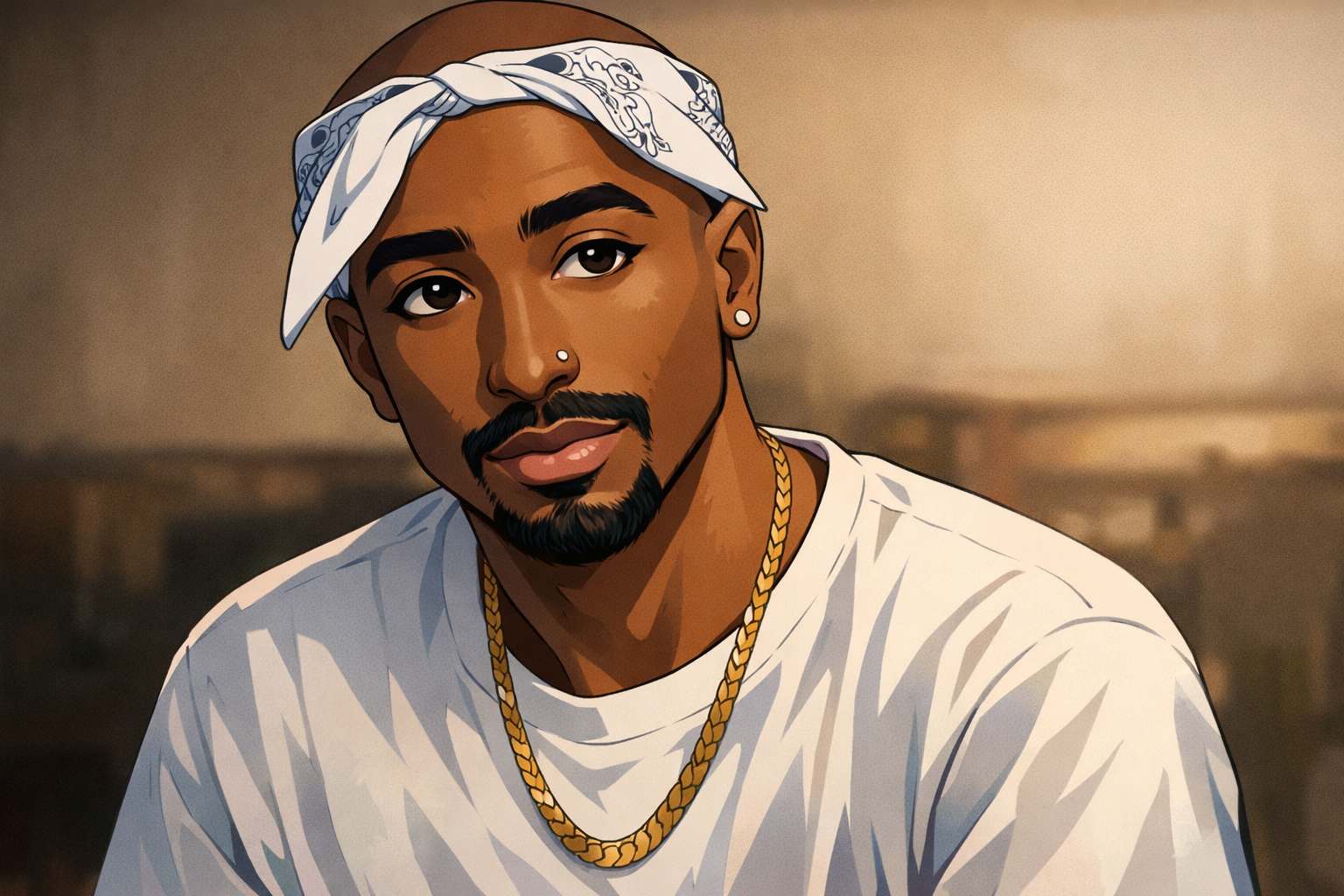
Jamala Lesane on Tupac, Snoop Dogg & Faith Evans
Jamala Lesane Reveals What Really Happened Between Tupac, Snoop Dogg, and Faith Evans
In a powerful and deeply personal interview, Jamala Lesane, cousin of Tupac Shakur, offers rare firsthand insight into some of the most debated moments in hip-hop history. From Snoop Dogg’s emotional reaction at the hospital following Tupac’s death, to the real-life impact of Hit ’Em Up, and the long-rumored Faith Evans situation, Lesane’s account adds critical human context often missing from public narratives.
Watch the full interview below for Jamala Lesane’s complete firsthand account.
Snoop Dogg’s Reaction After Tupac’s Death
Jamala Lesane recalls being present at the hospital in Las Vegas when news broke that Tupac had passed away from his injuries. Addressing long-standing claims that Tupac and Snoop were not on good terms at the time, she makes it clear that whatever tensions may have existed became meaningless in that moment.
According to Lesane, when Snoop arrived at the hospital and learned Tupac had died, she witnessed him completely break down. She describes the emotional weight as so heavy that Snoop—normally towering in presence—appeared “shorter,” overcome by grief. It was not a performance or public display, but a raw, private collapse.
She also remembers Afeni Shakur consoling everyone in the room, including Snoop Dogg and Danny Boy. Despite her own heartbreak, Afeni became a pillar of strength, comforting others when she herself had every reason to fall apart. The atmosphere, Lesane explains, felt like an immediate candlelight vigil—shock, disbelief, and sorrow filling the hospital corridors.
The Real Impact of “Hit ’Em Up”
Lesane also addresses the release of Hit ‘Em Up, a record widely viewed as the point of no return in the East Coast–West Coast conflict. She confirms that Tupac was fully aware of how explosive the song was and made a deliberate choice to release it without censoring its most provocative lines.
She recalls being in New York when the track dropped in June 1996, hearing it discussed everywhere—from street corners to subway platforms. The reaction was immediate and intense. When she later reunited with Tupac in California, she noticed that he almost amused himself by listening back to the record, surprised by the force of his own words.
Despite concerns from those around him, Tupac insisted the song remain untouched. Lesane explains that following his release from prison, Tupac was angry, energized, and determined to speak his truth. Hit ’Em Up was the first thing he went to the studio to record, setting the tone for everything that followed—from All Eyez on Me to the Makaveli era. In her view, the song undeniably sparked a conflict that could not be easily walked back.
The Faith Evans Claim: “If Pac Said It, It Happened”
One of the most controversial aspects of Hit ’Em Up is Tupac’s claim that he had been intimate with Faith Evans, the wife of The Notorious B.I.G.. Lesane states plainly that Tupac returned home openly telling those close to him that it had happened.
She is adamant that Tupac would not lie about something like that. In her words, if he said it, then it happened—simple as that. At the same time, she acknowledges the complexity of the situation, noting that if she were in Faith Evans’ position, she would likely deny it as well, given the stakes of being married to Biggie and the public scrutiny involved.
Lesane’s comments do not sensationalize the moment; instead, they reflect how differently such claims were received in an era before social media, when rumors traveled by word of mouth and records carried immense cultural weight.
Why Jamala Lesane’s Perspective Matters
What makes Jamala Lesane’s account especially significant is not just her proximity to Tupac, but her presence during these moments—at the hospital, in the aftermath of Hit ’Em Up, and within Tupac’s inner circle. Her testimony reframes long-debated narratives, grounding them in human emotion rather than myth.
Her reflections remind audiences that behind the rivalries, diss records, and headlines were real people—grieving, reacting, and making decisions in real time. In doing so, Lesane adds an essential layer of truth to hip-hop history, one that challenges simplified versions of events and honors the emotional realities surrounding Tupac Shakur’s final months.
Watch: Jamala Lesane Shares Her Firsthand Account
Suggested RELATED ARTICLE | WorldWide Entertainment TV:
Share this content:










Post Comment