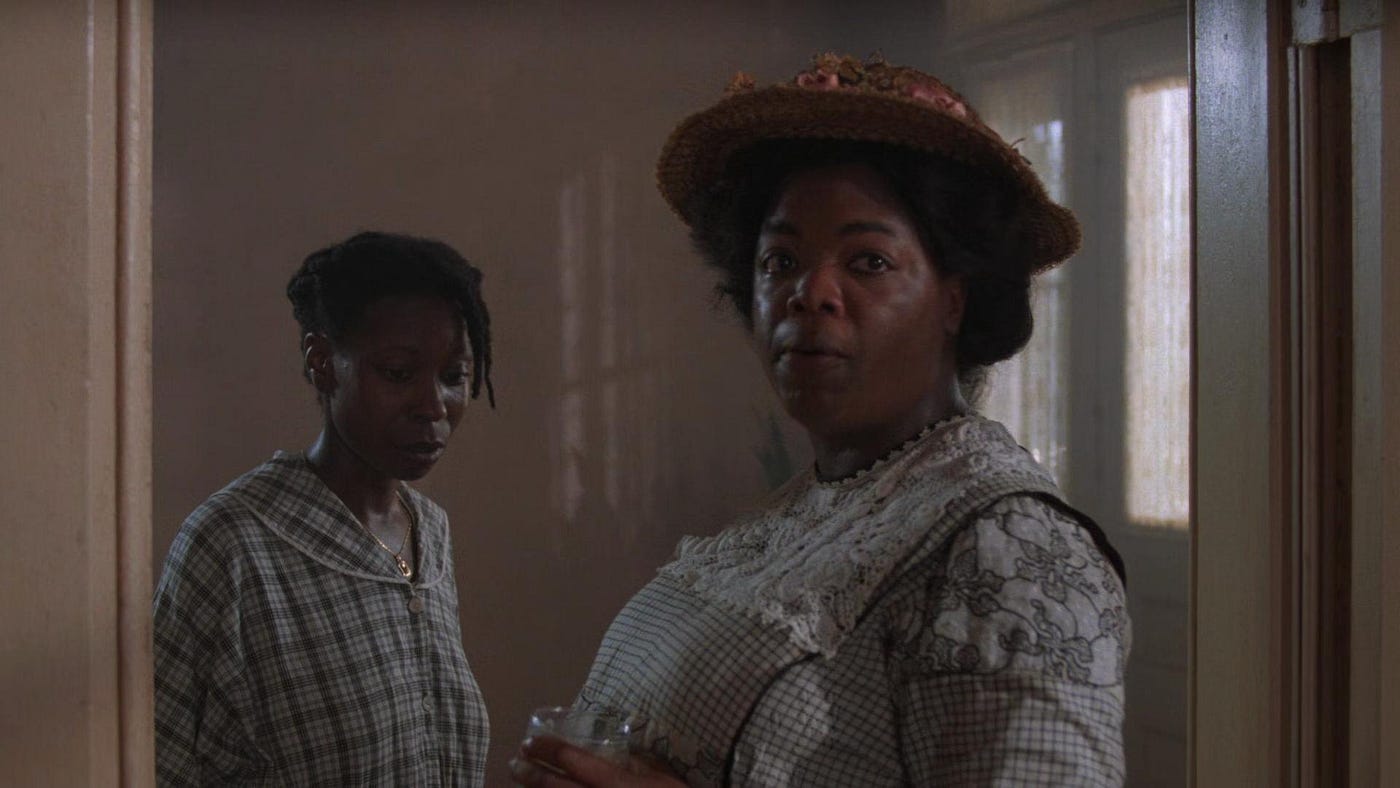
Oprah Winfrey & Whoopi Goldberg Reflect on The Color Purple 40 Years Later on The View
Oprah Winfrey & Whoopi Goldberg Revisit The Color Purple 40 Years Later — “The Only Time I Felt Comfortable Was When I Wasn’t Myself”
Appearing together on The View, Oprah Winfrey and Whoopi Goldberg reflected on the life-changing impact of The Color Purple as the film marks its 40th anniversary. What emerged was not nostalgia, but a deeply personal conversation about identity, belonging, and how one role altered the trajectory of two legendary careers.
“We Were in That Movie as Babies”
Whoopi Goldberg set the tone with humor and perspective, reminding the audience just how early the film arrived in both of their lives.
“We were in that movie as babies.”
That lighthearted remark underscored a profound truth: The Color Purple was the first time the world truly saw them. Goldberg, coming from stage performance, and Winfrey, still early in her television career, met at a crossroads that would define their futures.
“That was the first time people saw us,” Whoopi said. “We blossomed from that.”
Oprah Winfrey: “The Only Time I Ever Felt Comfortable Was When I Wasn’t Myself”
One of the most striking moments came when Oprah spoke candidly about playing Sofia, a character whose physical presence and emotional fearlessness reshaped how she saw herself.
“The only time I ever felt comfortable was when I wasn’t myself. I was playing somebody else.”
For Winfrey, Sofia’s strength wasn’t performative—it was embodied.
“She owned it. She owned the way she carried the weight. That was part of her being.”
That sense of ownership, Oprah explained, was something she had never fully experienced before the role. Sofia gave her permission to take up space, speak boldly, and exist without apology—lessons that would later define her public life.
A Film That Changed Everything at Once
The conversation revealed how The Color Purple didn’t just open doors—it opened them simultaneously.
Winfrey recalled leaving the film set mid-production to sign the contract that would launch her talk show career, a moment that now feels almost surreal in hindsight.
“I had to leave in the middle of filming to sign the contract for this TV show,” Oprah recalled, laughing.
Goldberg remembered that era as a moment when opportunity, visibility, and support aligned.
“We had people surrounding us who really wanted us to succeed.”
Those people included Quincy Jones and Steven Spielberg, whose belief in the project helped elevate a story centered on Black women at a time when such narratives were rarely prioritized.
“If God Opened the Door, I Belonged There”
Beyond film, the discussion widened to Oprah’s broader journey through sexism, racism, and exclusion in media. Her response was rooted in faith and conviction.
“I believed I was God’s child through the whole thing. I never felt like I didn’t belong.”
That belief, she said, carried her through every hostile room and closed door.
“If God opened the door for me to be there, then I was supposed to be sitting there.”
The audience erupted in applause, recognizing the philosophy that has guided one of the most influential careers in modern media.
“Look at Us Then… Look at Us Now”
As images from The Color Purple appeared on screen, Whoopi reflected on the passage of time.
“You look at us from The Color Purple, look at us here, and look at us now. We’ve evolved.”
Forty years later, that evolution is undeniable. What began as a groundbreaking film became a foundation—one that launched Oprah Winfrey and Whoopi Goldberg into cultural immortality while leaving an indelible mark on cinema.
The Color Purple isn’t just remembered because of its story. It endures because of what it unlocked—for its characters, its performers, and generations who continue to see themselves reflected in its truth.
Share this content:






Post Comment