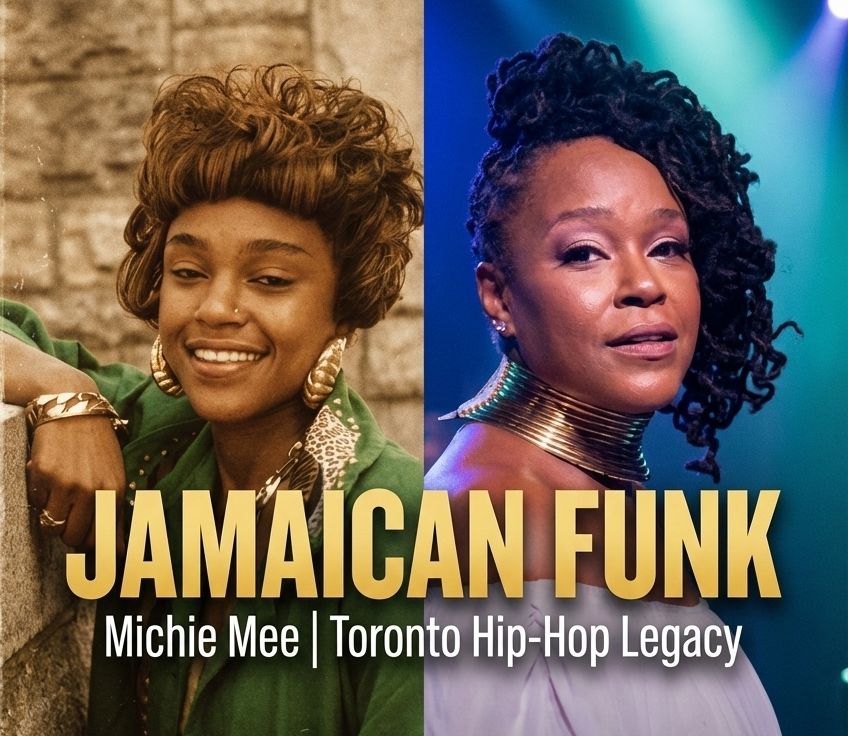
Michie Mee’s Jamaican Funk Legacy & “Ladies First” Hip-Hop History
Michie Mee, Jamaican Funk, and the Moment Women Changed Hip-Hop Forever
Before Toronto hip-hop had industry infrastructure, playlists, or global validation, it had pioneers. One of the most important — and often under-documented — is Michie Mee.
A trailblazer who helped shape Jamaican Funk, Michie Mee’s influence stretches far beyond Canada. Her work bridged Toronto, New York, and the global Black diaspora at a time when women in hip-hop were still fighting for space, visibility, and respect.
WorldWide Entertainment TV’s latest short documentary revisits that legacy through a powerful mix of rare archival footage, live performances, and firsthand reflection, connecting the early ’90s to the present.
Jamaican Funk and Toronto’s Cultural Foundation
Jamaican Funk wasn’t just a sound — it was a cultural moment. Rooted in Caribbean rhythm, hip-hop energy, and Toronto’s immigrant experience, it gave voice to communities rarely centered in mainstream music.
In the documentary, Michie Mee revisits her early appearances on Canadian television, including rare MuchMusic footage that captured a moment when representation was still scarce. These clips are more than nostalgia — they are proof of how early Toronto artists carved out space in an industry that wasn’t built for them.
By pairing those early moments with modern-day performances at the Jamaican Funk 25th Anniversary and Canada 150 celebrations at Nathan Phillips Square, the film visually connects past, present, and legacy in real time.
“Ladies First” and a Historic Hip-Hop Statement
Michie Mee’s legacy isn’t confined to Canada.
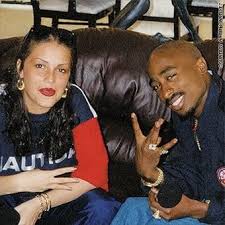
She also appeared in the iconic Ladies First music video — a defining moment for women in hip-hop. Led by Queen Latifah, the song featured an all-star lineup of female MCs including MC Lyte, Monie Love, Ms. Melodie, and Ice Cream Tee.
“Ladies First” wasn’t just a collaboration — it was a declaration.
The video placed women at the center of hip-hop culture while drawing powerful parallels between:
-
Life in North American housing projects
-
African and African-American resistance
-
The global struggle against apartheid
-
Black women leading movements across borders
For Michie Mee, being part of that moment symbolized how Toronto artists were already connected to hip-hop’s global conversation, even before the industry fully recognized it.
More Than Music: Family, History, and the Jackson 5 Connection
One of the most compelling moments in the WWETV documentary comes when Michie Mee speaks about her father — a Jamaican promoter who helped bring the Jackson 5 to the island during their early years.
It’s a reminder that Caribbean communities weren’t just consumers of global music culture — they were active participants and facilitators in its spread.
That story reframes Jamaican Funk not as a side chapter, but as part of a much larger historical continuum linking Jamaica, Canada, and the United States.
Why This Story Still Matters
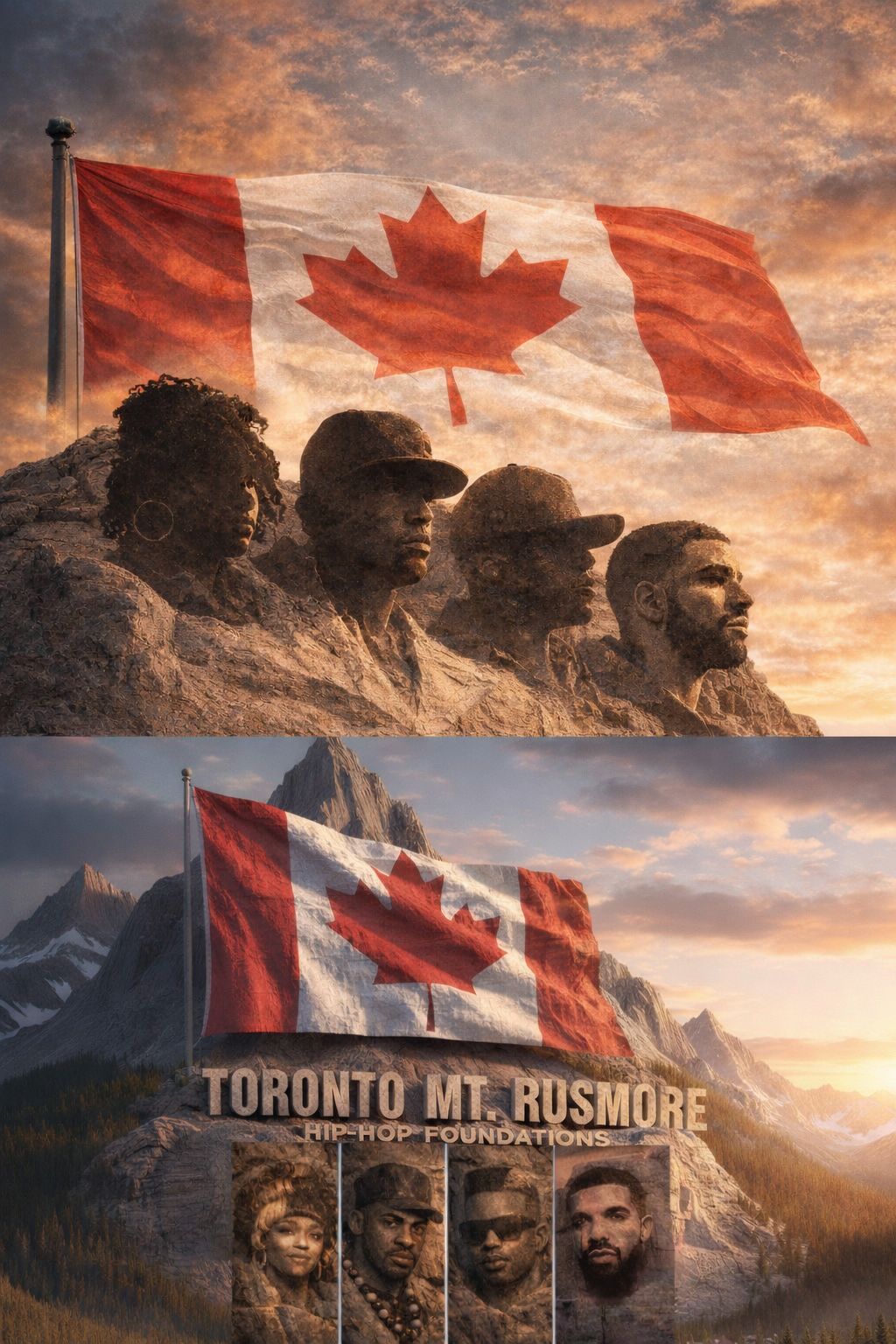
As debates continue about Toronto’s hip-hop Mount Rushmore and the city’s cultural origins, stories like Michie Mee’s offer context that numbers and streaming stats never can.
Her career represents:
-
Early representation on national television
-
Cross-border collaboration with hip-hop pioneers
-
Caribbean influence shaping Canadian sound
-
Longevity rooted in authenticity, not trends
WorldWide Entertainment TV’s documentary doesn’t just celebrate the past — it documents it, ensuring that foundational stories aren’t lost to time or algorithm cycles.
Watch the full Jamaican Funk short documentary now on WorldWide Entertainment TV.
This piece is part of WWETV’s ongoing Toronto Hip-Hop Legacy series.
Share this content:








Post Comment