
Tupac Shakur’s Mentor Leila Steinberg Breaks Down the Life-Changing Mission of AIM for the Heart
Leila Steinberg on Tupac, AIM for the Heart & Emotional Literacy
Leila Steinberg — widely known as a mentor and early guiding force in the life of Tupac Shakur — is continuing her decades-long mission of healing, education, and empowerment through her nonprofit program AIM for the Heart. In a powerful appearance on Sway In The Morning, Steinberg opened up about the origins of the program, its evolution over 35 years, and the profound impact it continues to have on youth, artists, and incarcerated individuals around the world.
Far beyond music, AIM for the Heart is rooted in emotional literacy — teaching people how to understand themselves, develop empathy, and then move toward financial and creative independence.

What Is AIM for the Heart?
Founded by Steinberg more than three decades ago, AIM for the Heart began as a grassroots effort centered on microphone sessions — safe, expressive spaces where participants could speak, perform, and be heard without judgment. The goal was simple but revolutionary: help people become emotionally literate first, and only then move into financial education and professional development.
According to Steinberg, emotional awareness is the foundation for everything else. Without it, success lacks direction, and trauma goes unaddressed.
A New Generation of Leadership
While Steinberg remains deeply involved, AIM for the Heart has entered a new chapter under its current executive director Stu, a young Black law school graduate from USC who has led the organization for the past two years. His leadership represents the program’s long-standing commitment to generational continuity — participants grow into leaders, not just success stories.
This passing of the torch is intentional, ensuring that AIM for the Heart remains rooted in community while adapting to modern challenges.
Giving Back Is Part of the Mission
A core principle of AIM for the Heart is reciprocity. Participants are encouraged — and expected — to give back by volunteering in schools, prisons, and underserved communities. Steinberg made it clear that the program is not transactional; it’s relational.
She also emphasized that she has never taken a salary from the organization, instead relying on donations to keep the work accessible. Supporters are encouraged to contribute directly at aimfortheheart.org to help sustain workshops, outreach, and creative programming.
Lives Transformed Through AIM for the Heart
The episode spotlighted several individuals whose lives were shaped by the program:
Milo Manheim
A standout moment came from Milo Manheim, who joined AIM for the Heart at just 12 years old. Growing up within the workshop environment, Milo performed a powerful spoken-word piece titled “Mirrors,” exploring self-reflection, empathy, and personal responsibility. His journey has since taken him to Broadway (Les Misérables) and the Disney Channel (Vampirina), but he credits the program for grounding his emotional intelligence.
Ezekiel Pacheco
Actor and activist Ezekiel Pacheco — the first DACA recipient to star in a feature film, At the Gates (now streaming on Peacock) — shared his story of growing up in Watts as a street vendor. Pacheco spoke passionately about the importance of programs like AIM for the Heart for youth navigating systemic barriers and announced that he will be leading acting workshops to help others find their voice.
JP Cali Smoov
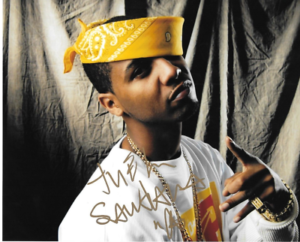
Battle rapper and musician JP Cali Smoov is another product of the program, performing his track “Street Motivation” during the episode. Beyond music, JP has taken AIM for the Heart sessions overseas, including Sweden and Hawaii, modeling leadership through action. His impact caught the attention of Xzibit, who expressed interest in collaborating on future music.
Community Voices and Collective Healing
The episode also featured voices from across the country, reinforcing the importance of consistency and community support. Coach Jackson spoke about long-term commitment in youth development, while D Walls from Detroit highlighted his nonprofit Motive, which uses music as therapy for incarcerated individuals.
These stories underscored a recurring theme: transformation doesn’t happen overnight — it happens through sustained presence, trust, and care.
Leila Steinberg’s Enduring Legacy
Steinberg’s influence extends far beyond her work with Tupac. Her microphone sessions were foundational in shaping his early consciousness, poetry, and social awareness — values that AIM for the Heart continues to instill today.
This episode of Sway In The Morning wasn’t just an interview; it was a reminder that hip-hop’s deepest roots lie in truth-telling, healing, and community building.
Why This Episode Matters
At a time when conversations around mental health, incarceration, and youth empowerment are more urgent than ever, AIM for the Heart stands as a living example of what happens when creativity is paired with compassion.
This is not just hip-hop history — it’s an ongoing movement.
🎥 Watch the full episode here:
🌱 Support the mission:
https://aimfortheheart.org
Share this content:













Post Comment